Author name: editor

Why France Fell (Omnibooks Magazine, 1942)
1942, France

Why France Fell
(Omnibooks Magazine, 1942)

On assignment for the Hearst papers, H.R. Knickerbocker (1898 – 1949) witnessed the total collapse of the French Army. He made his observations and conclusions available to American readers in his 1941 book Is Tomorrow Hitler’s?, which hit the bookshops shortly after Pearl Harbor.

If [The French] had ignored their low birth rate, been willing to spend lives, had retained the old offensive spirit traditional in the French Army, had known that they had to win or perish, had a Churchill to inspire and lead them, and had no traitors in their ranks, their comparative lack of weapons would not have mattered; they would still be fighting the Germans in France.


Click here to read the observations of U.S. Army Lieutenant Louis L’Amour concerning 1946 Paris.


Another article about a French general who collaborated with the Nazis can be read here…

Advertisement

Use shortcode [oma_ad position="summary_top"] (or other position) in your theme or widgets to display OMA Promotions here.

1930s Great Depression Reduced the Number of Weddings | 1930s Weddings Reduced in Quantity
1933, The Great Depression

The Great Depression Reduced the Number of Marriages
(The Pathfinder, 1933)

We were interested to learn that two of the most semi-popular queries on Google are, 1930s wedding theme decorations and 1930 wedding dress styles – yet to read the attached article is to learn that the most accurate step that any contemporary wedding planner assigned this theme can recommend is that the happy couple forego the nuptial ceremony entirely and simply move in together. During the Great Depression very few couples could afford to get married, much less divorced.
American Feminist Advancements 1917-1918
1951, Pageant Magazine, Women (WWI)

W.W. I and American Women
(Pageant Magazine, 1951)

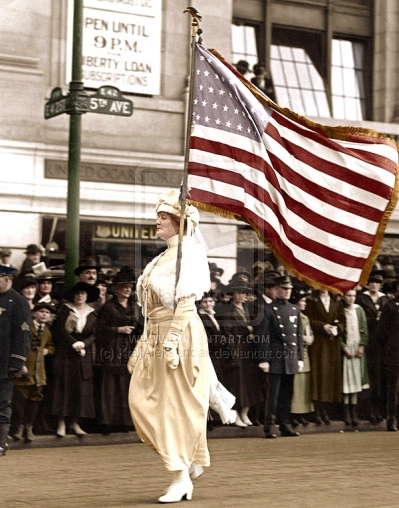
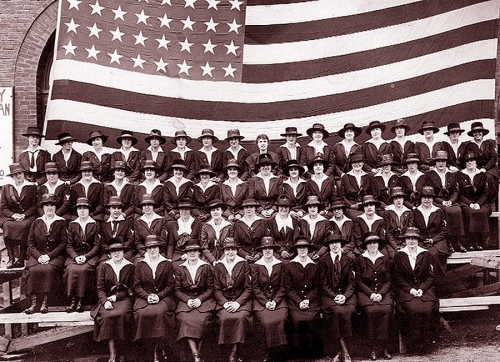
Here is a segment from a longer article published in 1951 by an anonymous American woman who wished to be known to her readers only as a women who had grown up with the Century (born in 1900). In this column she insisted that it was the First World War that served as the proving ground where American women showed that they were just as capable as their brothers – and thus deserving of a voice in government.

Advertisement

Use shortcode [oma_ad position="summary_top"] (or other position) in your theme or widgets to display OMA Promotions here.

Irish Neutrality During WW II | War and Irish Neutrality | Irish Leader Eamon De Valera Article
1942, Collier's Magazine, World War Two

Ireland Bows Out of the War
(Collier’s Magazine, 1942)

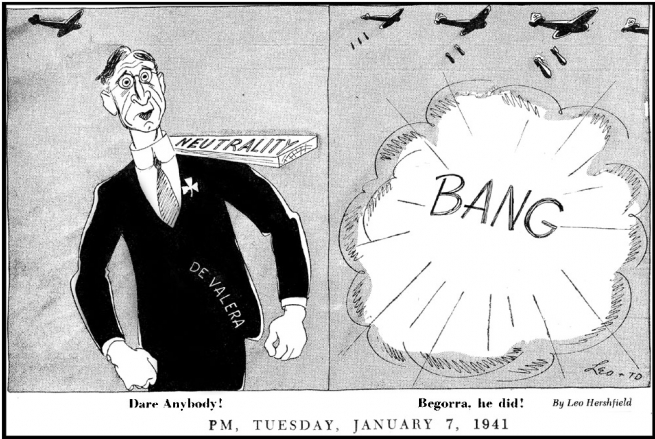
This article discusses the various complications and contradictions inherent with Irish neutrality in the face of the Nazi march on Europe. Even though it was clear to see that an Allied victory would certainly be an Irish benefit and the Germans had already fire-bombed Irish cities twice, the Irish leader Eamon De Valera (1882 – 1975) was hellbent on seeing to it that Ireland never played favorites.

The Australian Soldier (Yank Magazine, 1944)
1944, World War Two, Yank Magazine

The Australian Soldier
(Yank Magazine, 1944)

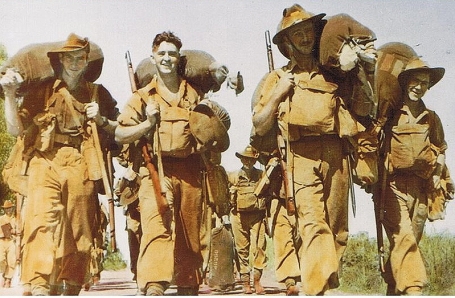
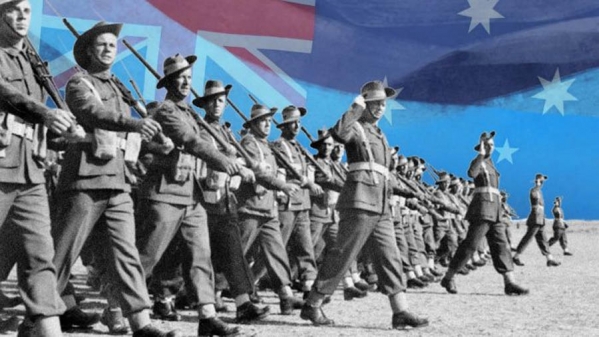
Attached is a two page article concerning the basic lot of the World War Two Australian soldier: his pay, his kit, his battles and the general reputation of the Australian Imperial Forces (A.I.F.):

…the Australian Imperial Forces who have – and are seeing action all over the world…has fought in every theater in which British forces have been engaged…They have especially distinguished themselves at El Alamein in the North African campaign and in the Papuan and New Guinea campaigns.


Four years after the Pearl Harbor attack, a Japanese newspaper editorial expressed deep regret for Japan’s aggressiveness in the Second World War, click here to read about it…

Advertisement

Use shortcode [oma_ad position="summary_top"] (or other position) in your theme or widgets to display OMA Promotions here.

Vaudeville at the Palace Theater - Again (Pathfinder, 1949)
1949, Old New York History, Pathfinder Magazine

Vaudeville at the Palace Theater – Again
(Pathfinder, 1949)

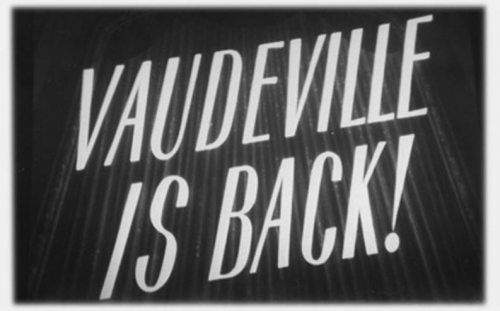
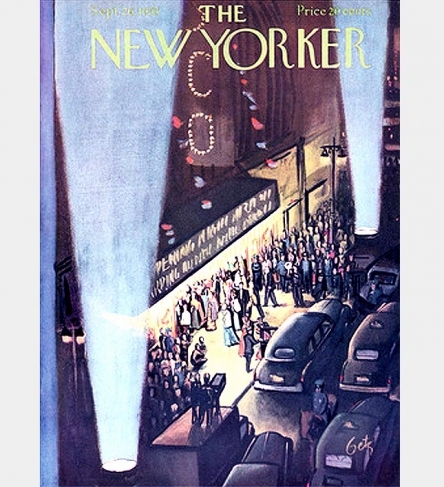
There was some dispute over what killed vaudeville. Some said talking movies. Others said radio. A few cruel critics said it committed suicide. But all agreed that with the fall of its last fortress, the Palace Theater, it was dead… Last week, the corpse that wouldn’t die got up and went home. Sol A. Schwartz, vice president of the Radio-Keith-Orpheum chain (RKO) announced restoration of vaudeville at the Palace, beginning May 18 [1949].


You can read about Chicago Vaudeville here

Advertisement

Use shortcode [oma_ad position="summary_top"] (or other position) in your theme or widgets to display OMA Promotions here.

old vaudeville magazine article | ziegfeld follies article 1918
1935, Miscellaneous, Stage Magazine

Chicago Vaudeville Remembered
(Stage Magazine, 1935)

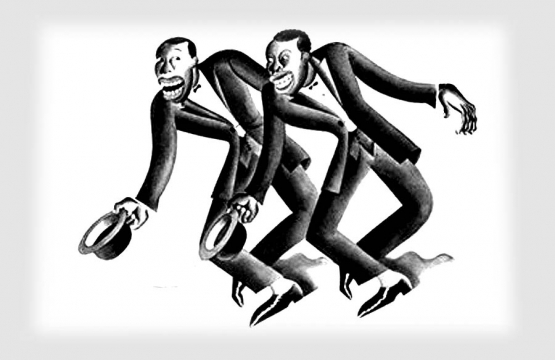
American journalist and radio personality Franklin P. Adams (1881 – 1960) recalled the high-water mark of Chicago’s Vaudeville (with some detail) for the editors of STAGE MAGAZINE, a witty and highly glossy magazine that concerned all the goings-on in the American theater of the day:

They were Continuous Variety Shows. They ran – at any rate at the Olympic Theatre, known in Chicago as the Big O – from 12:30 p.m. to 11:00 p.m….While those days are often referred to as the Golden Days of Vaudeville, candor compels the admission that they were brimming with dross; that Vaudeville’s standard in 1896 was no more aureate than musical comedy in 1935 is.

Silent Movie Facts | Hollywood Silent Film Facts
1947, 47 Magazine, Silent Movie History

Fast Facts About Hollywood Silent Movies
(’47 Magazine, 1947)

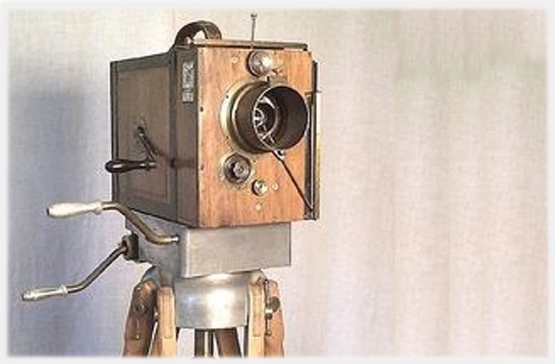
A really quick, informative read that will let you know a whole bunch about the earliest days of Hollywood silent film production:


Silent film production companies averaged three movies per week.

• A good salary for an early Hollywood silent film executive was $50.00 per week

Silent film extras were paid 1.50 per day.

• There were no stunt doubles.

• The average silent film director was paid $150.00 per week.

• A big-budget production was one that cost $500.00.

Silent film directors would talk continuously during shooting.


– and much more.


Click here to read articles about Marilyn Monroe.

Advertisement

Use shortcode [oma_ad position="summary_top"] (or other position) in your theme or widgets to display OMA Promotions here.

1919 Greenwich Village 1919
1919, Old New York History, Vanity Fair Magazine

A Frenchman Looks at New York
(Vanity Fair Magazine, 1919)

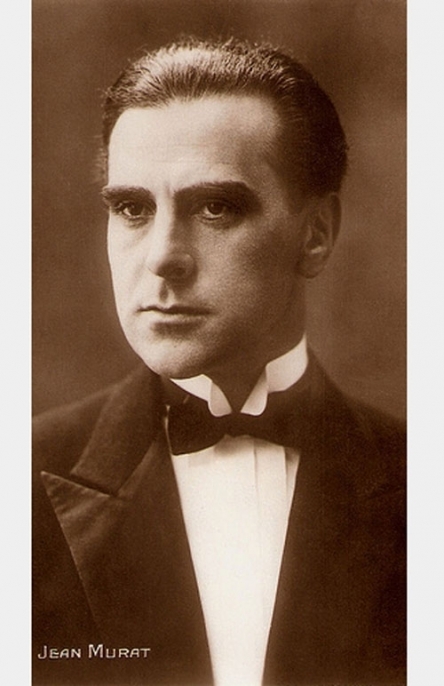
A travel article written by the former French fighter pilot Jean Murat (1888 – 1968)-who, one year hence, would commence a fruitful career in film acting that would lead to performances in over ninety movies. Mr. Murat was not terribly impressed with New York at all. Murat found the New Yorker’s love for all things French a tad tiresome.


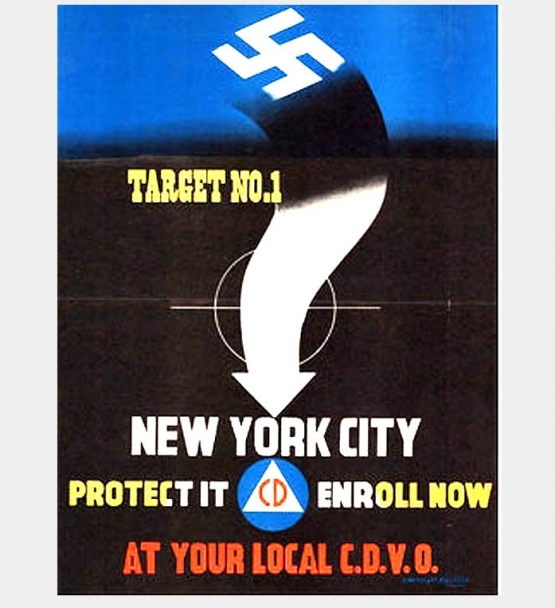
Click here to read about the NYC air-raid wardens of W. W. II…

New York City During World War One (Vanity Fair, 1918)
1918, Old New York History, Vanity Fair Hall of Fame

New York City During World War One
(Vanity Fair, 1918)

Delightfully illustrated with seven period photographs, this is a high-spirited read from VANITY FAIR titled New York’s Unceasing Pageantry:

From the First Liberty Loan to the Draft, from the Draft to the period of heatless days and meatless days, New York has showed good temper which used to be considered as but an indication of incorrigible lightness of mind. And as the months have gone by New York’s interest in herself as a military center has grown and deepened, with the growing consciousness of the high part she was to play in an adventure that has done more for her as a social organism than anything else in her history.


Click here to read about the welcome New York gave Sergeant York.

Late War Combat Training: Camp Wheeler (Yank Magazine, 1945)
1945, Combat Training, Yank Magazine

Late War Combat Training: Camp Wheeler
(Yank Magazine, 1945)

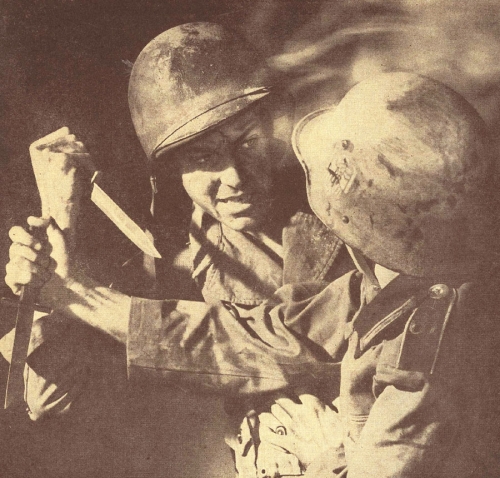
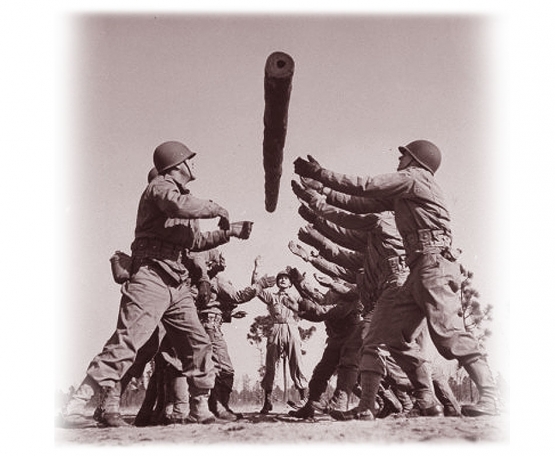
The attached article weighs the way infantry basic training was conducted at the beginning of the war and how it had changed as the war progressed, evolving into something a bit different by 1945. The training period was originally a 13 week cycle in 1941, yet in time after carefully watching the soldiers in the field and finding that infantrymen needed a broader understanding of the tools at hand, the infantry training at Camp Wheeler, Georgia, had been extended an extra two weeks. One of the obvious factors involved a far wider pool of combat veterans to rely upon as instructors.


Five years after the war, many infantry replacement camps had to reopen…


You might also like to read this article about W.W. II cavalry training.

Statistical data concerning the U.S. Army casualties in June and July of 1944 can be read in this article.

Advertisement

Use shortcode [oma_ad position="summary_top"] (or other position) in your theme or widgets to display OMA Promotions here.

Scroll to Top