Stalin Invades
(Newsweek Magazine, 1939)
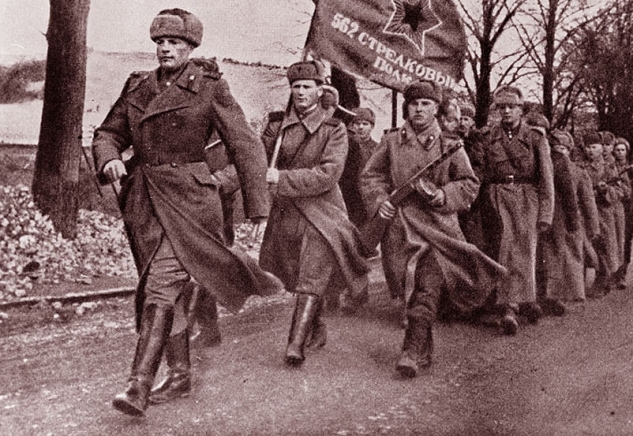
In this article, retired U.S. Major General Stephen O. Fuqua (1874 – 1943) examined the Soviet invasion of Finland during its opening week.

In this article, retired U.S. Major General Stephen O. Fuqua (1874 – 1943) examined the Soviet invasion of Finland during its opening week.
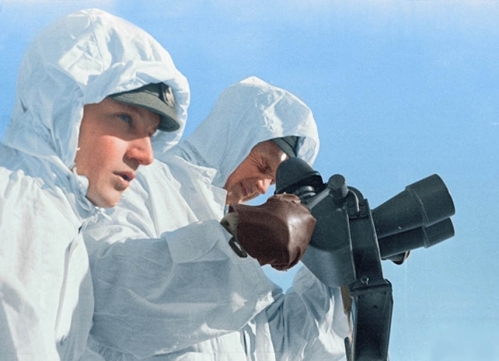
Just as Lenin had a triumphal military adventure, Stalin, too, believed that he could deploy Soviet forces victoriously. However, when Lenin launched his enterprise against neighboring Georgia in 1921, he had the benefit of skilled military leaders under his command – this was not the case with Stalin, who had seen fit to purge his military of thousands of officers (1934 – 1939). When Stalin’s legions attacked Finland in November of 1939, the Soviet losses that were inflicted by the numerically inferior Finns were far greater than he ever thought possible.
The article appeared during the closing weeks of the war and it reported on the outside aid the Finns were receiving. The attached file also includes an article from 1931 concerning some of the bad blood that existed between the two nations.
Read an article explaining how the Soviets used early radio…
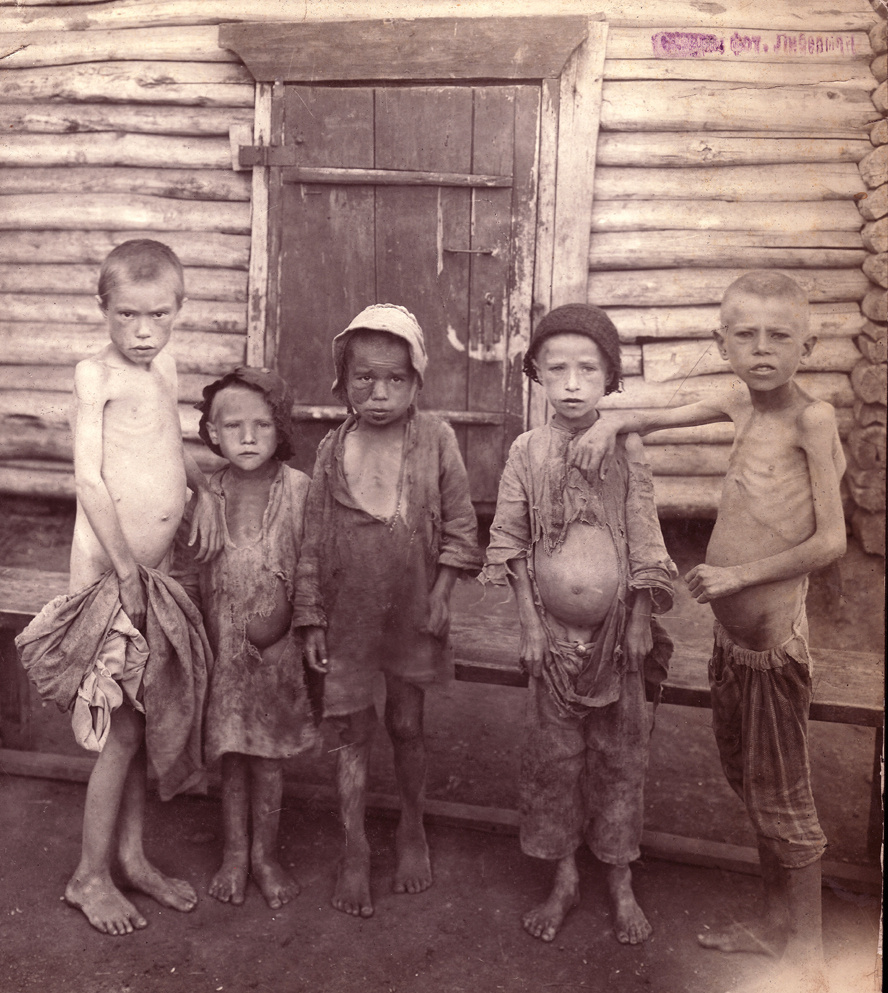
Indignant accusations of trickery in dealing with the grain supply, which have been launched against the Russian Soviet Government by American and European editors, who were amazed to find that Russia was exporting grain in the midst of a new famine, are not particularly noticed by the Moscow press, which however, in such journals as the Moscow ‘Isvicstia’ and the ‘Economcheskaia Gizn’ feature reports of starvation in the Volga provinces.
Although there is no mention of the Soviet famine in this 1938 interview with Leon Trotsky, it is interesting nonetheless; to read it for free, you may click here.
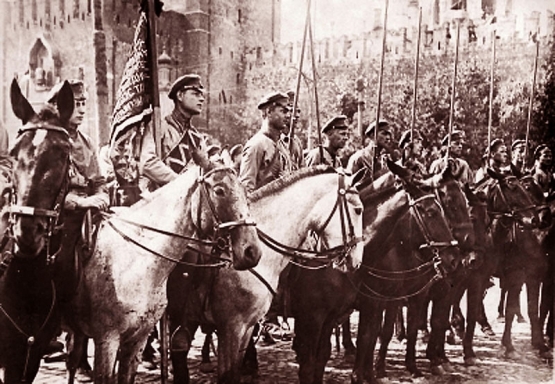
Nine months after the Soviet Union signed a good-will agreement respecting the autonomy and independence of its Black Sea neighbor, Vladimir Lenin’s Red Army quickly overran the borders of the Democratic Republic of Georgia on February 16, 1921; seizing the Georgian capital nine days later, Russian General Anatoli Ilyich Gekker declared the establishment of the Georgian Soviet Socialist Republic.
Additional magazine and newspaper articles about the Cold War may be read on this page.

Frederic W. Farrar (1831 – 1903), Dean of Canterbury Cathedral during the last eight years of the Victorian era saw fit to examine God’s silence and seeming indifference while humanity struggles:
God makes no ado. He does not defend Himself. He suffers men to blaspheme. His enemies make a murmuring but he refrains. And much of what is said is awfully true – for those who utter it. To men, to nations, God is silent; there is no God. Their ears are closed so that they cannot hear. They who love the darkness have it. To those who will not listen, God does not speak.
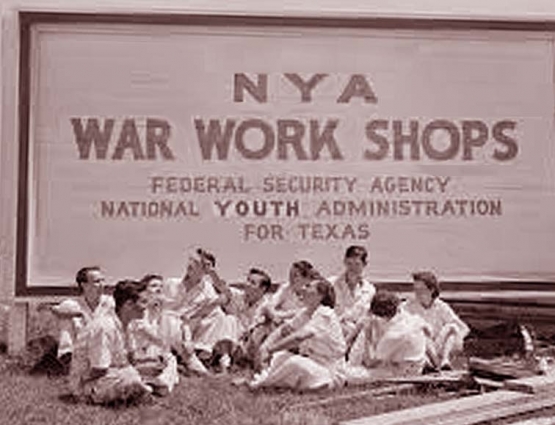
The National Youth Administration (NYA) was established in 1935 as one of FDR’s many alphabet agencies created to alleviate the sting of the Great Depression; it was tasked with providing work and education for young Americans between the ages of 16 through 25. By the time World War II kicked -in, many in Congress felt it was time to do away with the organization, but as this article spells out, NYA members could now be put to work in the defense plants.
Click here to read about the travails of young adults during the Great Depression.

It would be difficult to select the typical New Deal bureau. In not a few there is considerable friction between different degrees and elements of thought as to how far the New Deal should really go… The program is so vast, the limits of its intent so completely shrouded in the vague phraseology of the new idealism, that there appears to be plenty of work for all. [For example] unwanted surplusses were found in the electrical power and appliance field. It was perceived that here was a case of ‘under-consumption’ on the part of American homeowners. How to solve the problem? With another bureau, of course. And so we have the EHFA – the Electric Home and Farm Authority.
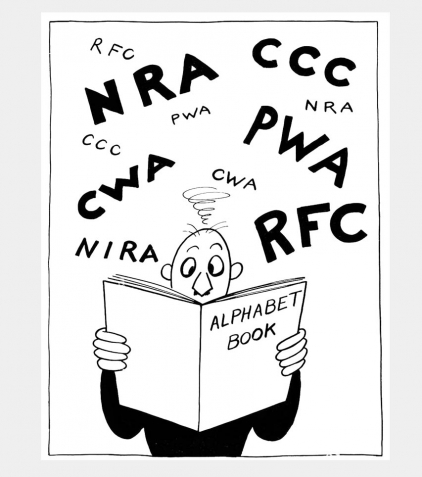
Listed herein are the sixty-two alphabet agencies as they existed in 1934. More were on their way and, as this article makes quite clear, a good number of them were created by the Hoover administration. If you’re looking for an article indicating that Hoover and Roosevelt had similar approaches to governance, this might be a good place to start.
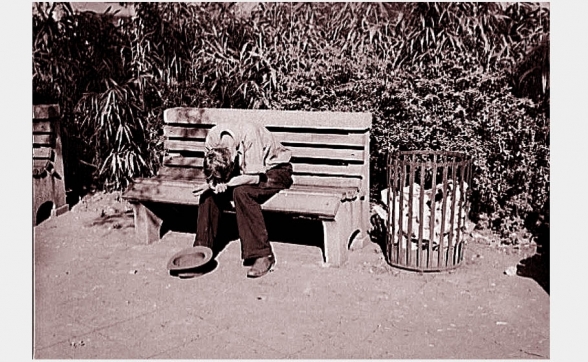
By the year 1937 it became a concern that an eighth of all those admitted to the nation’s state-run mental hospitals were between the ages of 15 through 24. On a similar note, it was revealed that 40% of employable youth were entirely unable to secure positions during this this same period. These matters were made known as a result of the efforts put forward by the Youth Commission of the American Council of Education – a group that began compiling such data in 1935.
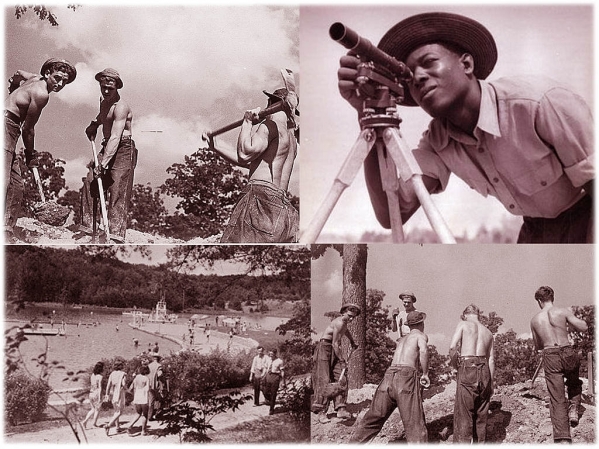
During the Spring of 1933 articles like this one began to appear in the magazines and newspapers across the country serving to inform their readers about the creation of an additional Federal agency that was designed to help take some of the sting out of the Great Depression. Roosevelt’s New Deal intended to take a hefty percentage of unmarried young men off the streets of 16 American cities, feed them, clothe them and line their pockets with $30.00 a month for their labor. W.W. II created a host of other demands requiring Federal funding, and so Congress voted to dissolve the C.C.C. in 1942.
Click here to read about the end of the Great Depression…
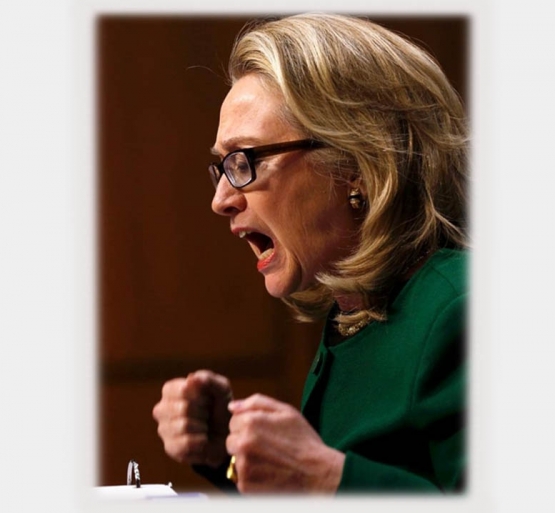
Some well-chosen words by L.L. Jones, one of the many forgotten Suffragettes of yore, who looked longingly to new day:
So far as political equality is concerned I believe I could adjust myself quite readily to a society governed by United States presidentesses, State governesses, and city mayorines, alderwomen, chairwomen, directrices, senatresses, and congresswomen, and I believe I should be just as happy if clergywomen preached to me, doctrices prescribed for me, and policewomen helped me across the street, and chuffeuresses ran the taxis which on rare occasions I can afford to take.
Read a 1918 article about the women’s city.
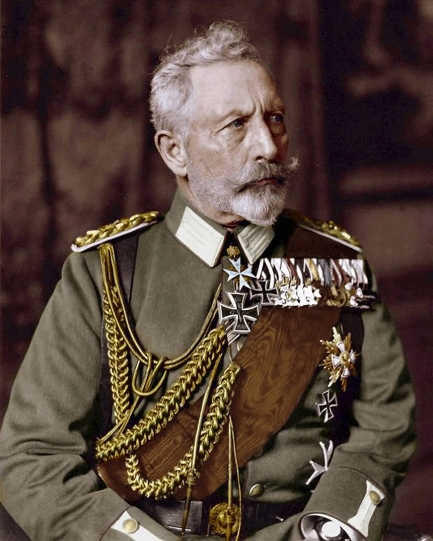
For the sixth time in his life, Ken Magazine‘s far-flung correspondent, W. Burkhardt, found himself cast in the roll as guest of the deposed king of Germany, Kaiser Wilhelm II (1859 – 1941). After exchanging pleasantries, their conversation turned to weightier topics, such as contemporary German politics and it was at that time that Ken‘s man in Doorn recognized his moment:
Suddenly, sensing a chance I may never have again, I pose the question:
And yourself, Sire, what do you think of him?
Nichts!
Click here to read about the fall of Paris…
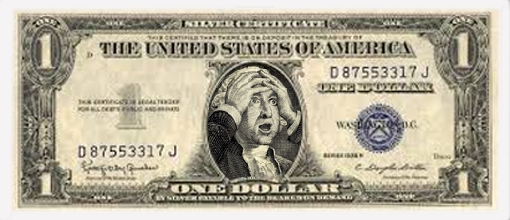
Along with the host of other forgotten items in this historic age of trouble, to be classed with Sumner’s forgotten man and Uncle Sam’s forgotten Constitution, is the forgotten dollar.
– so saith Edwin Myers of NEW OUTLOOK MAGAZINE. His gripe was typical of most Americans who struggled to get by during the Great Depression – but FDR was not neglectful of the dollar; one of his first acts was to make American exports more attractive abroad – and he devalued the dollar to this end. Much to his credit, exports did indeed increase – but the decreased purchasing power of the dollar domestically contributed to the misery of the American consumer.

‘SOAK THE RICH!’ has been a popular slogan for generations. President Roosevelt knows the people and he knows that this cry is even more popular now than it ever was before. Taxes which increase the cost of living and hang so heavily on the poor cannot be popular… But pick some taxes that bear down on the rich and – and then you have something which everyone will hurrah for. The number of rich are comparatively few, and hence their votes and influence can be disregarded entirely.
President Roosevelt’s plan was to tax this minority for 75 percent of their income.
To read about the dwindling good fortune of the rich, click here…
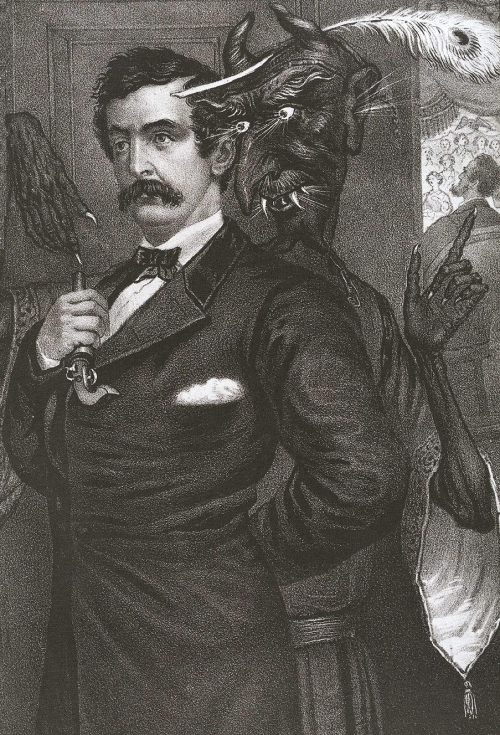
These words concerning the assassination of President Abraham Lincoln were penned a couple of years after the event took place, for an 1867 history on the American Civil War. The author referred to a popular allegation that was a common among Northerners at the time:
It was alleged, and with some reason, that the plot was known to, and approved by, the Rebel government in Richmond, and that [Jefferson] Davis and some of his cabinet, and their agents in Canada, were accomplices in the crime. Whether this be so or not, certain it is that propositions to assassinate President Lincoln and other prominent members of the government were received and entertained by Davis and his associates, and were not rejected at once, and with the scorn which became civilized and Christian men.
– from Amazon: Day of the Assassins: A History of Political Murder
More on the assassination can be read here…
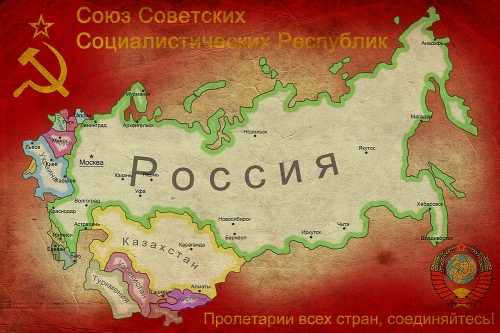
“Contrary to popular notion, he is physically rather small [5’5″]. Temperamentally, he has been called ‘a slab of granite’. He seldom displays emotion of any kind. He has many friends, but few close ones… Once when asked by an audacious reporter whether or not he was a dictator, Stalin smiled:”
“I? A dictator? That is just funny!”

Speaking about why she loved the Twenties, Diana Vreeland (1903 – 1989) – observant fashion editor and unique fashion phenomenon, once remarked on a chat show that there’s never been a woman with her clothes chopped off at the knee in history. Indeed – Vreeland would find the attached article about flappers to be spot-on.
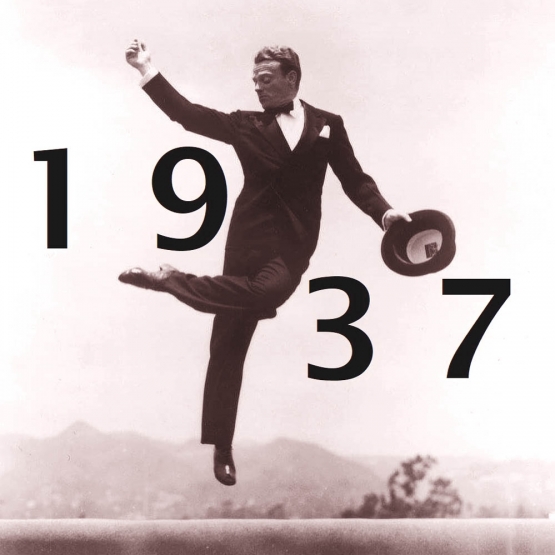
I always knew that I would one day find a reminiscence of the Great Depression – what I didn’t expect is finding it in a magazine from 1937. As mentioned in another part of this site, 1937 saw some measure of economic recovery (until it didn’t) and this reminiscence was penned by a fellow who wanted so badly to believe that the whole thing was finally over. He wished so earnestly that the Depression had ended that he listed just what he was missing about it already. Little did he know he had three more years to go.