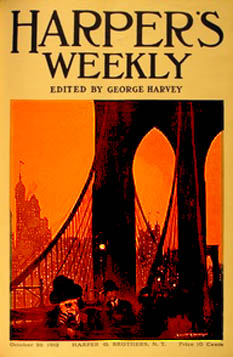
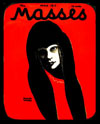
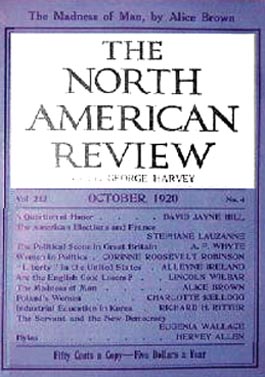
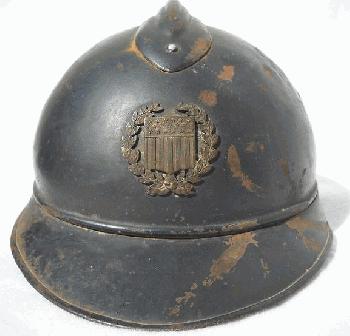
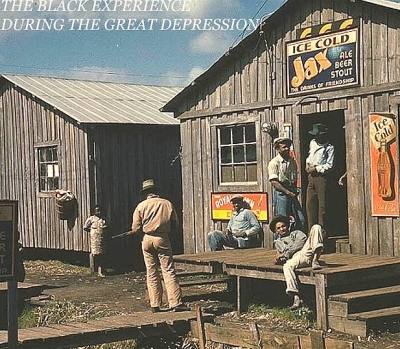
A spirited commentary concerning how the African-American Doughboys came to see France, rather than their own homeland, as the land of equality and liberty. It was written by Oscelo E. McKaine, who was serving as a second lieutenant in the all-black 92nd Division. In later life he would play an important roll in the South Carolina civil rights movement.
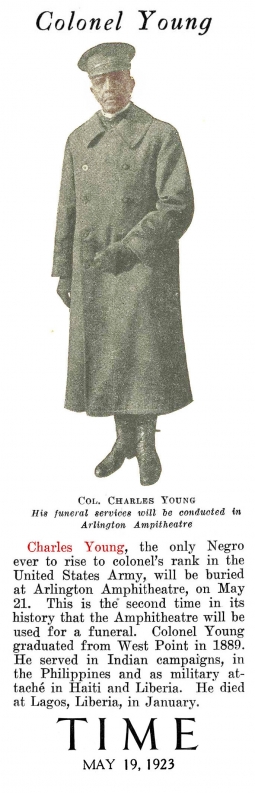
( Not a word about being
railroaded out of the Army)
Click here to read about the first Black Marines.
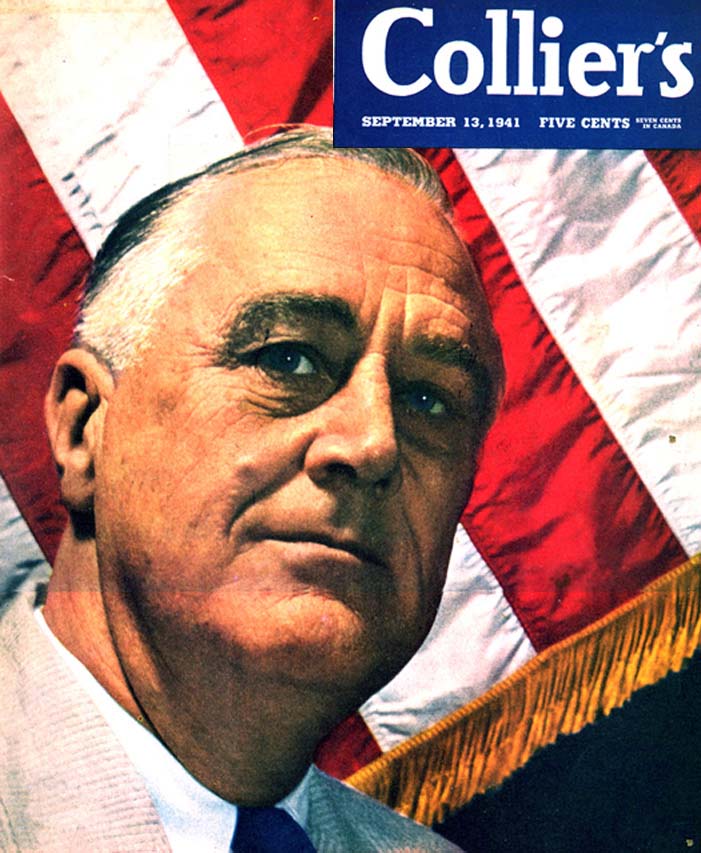
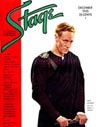
Read an article about racial integration in the U.S. military. The courageous acts of white soldiers were not so easily demeaned in other STARS & STRIPES features as were the heroics performed by Henry Johnson and Needham Roberts in this piece from the Spring of 1918. For those who have, through the years, read the history of the New York 369th Regiment of Infantry this article will leave you a little sadder for the racial stereotyping and cheekiness so clearly enjoyed by the journalist and his editors.
On June 2, 2015 Henry Johnson was posthumously awarded the Congressional Medal of Honor in a White House ceremony.
Click here to read about the American invalids of W.W. I.
This is a lovely piece, originally written in French for a village paper, in which a journalist describes the collective excitement of the townsfolk in welcoming the Americans to their sleepy hamlet during the First World War, and how astonished they were to find that the arriving Doughboys were all of African descent!
Read an Article About American intervention in W.W. I and the Gratitude of France.
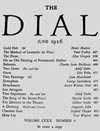
An article written by David Le Roy Ferguson (dates unknown), an African-American pastor assigned to minister to the black Doughboys posted to the depot at St. Nazaire, France. The men of his flock were stevedores who were ordered to perform the thankless task of off-loading cargo from the various supply ships arriving daily to support the A.E.F.. Aside from working as cooks or in other service positions, this was a customary assignment given to the African-Americans during the war; only a small percentage were posted to the 92nd and 93rd combat divisions.
Pastor Ferguson's magazine article salutes the necessary labor of these men while at the same time adhering to the usual simple descriptions of the African-American as cheerful, musical and rather crude. A post-Armistice Day feature article that reported on the war-time activities of the four infantry regiments that made up the U.S. Ninety-Third Division (the 369th, 370th, 371st and the 372nd).
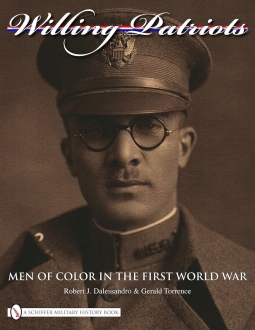
- from Amazon:
Two of these regiments were awarded the coveted Croix de Guerre. Accompanying this history is a black and white illustration of the Division's insignia.
Click here to read about the first Black Marines.
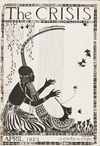
This historic article first appeared in a 1919 issue of The Crisis and served to document the official discrimination against African-Americans who served both in the ranks and as officers in the American Army during the First World War. The article includes the communications from high-ranking American officers to the French military authorities, conveying their suggestions as to how America's black Doughboys were to be treated. |