Aviation History - Charles Lindbergh
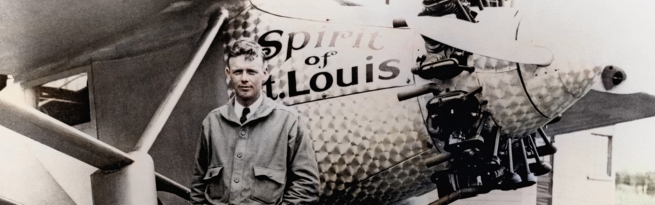
It was a sad day when Lindbergh found common-cause with European fascists - click here
to read about that period in his life...
"'Truth is stranger than fiction' is an old writer's saw that the pen plodders know and the general reader doubts. But that truth and fiction may be one and the same thing in comes to light in the story of Charles Lindbergh's flight. No fiction writer could have contrived a story more perfect and right in it's details...In a few short days an unknown lad has become the hero of the world. His name is on the lips of more people than any under the sun. His face etched in more minds than any living human. The narrative question of the story, 'Will he make it?' is on everybody's lips, from President to beggars." For any American born after the death of De Crevecoeur (1813), it seems like a new day when a Frenchman has something nice to say about American culture, and that is precisely why this column seems so terribly unique.
Attached is a 1927 illustration depicting that broad expanse that separates the continents of Europe and North America and presents for the viewer the various transatlantic routes chosen not only by Charles Lindbergh but other pilots as well.
When America entered the Second World War, Charles Lindbergh reached out to President Roosevelt and expressed his desire to serve; in light of the fact that Lindbergh had made numerous trips to Germany and met with Goering on several occasions, the President cordially declined his offer. However, these liaisons did not exclude him from working in the private sector for one of the many defense contractors, which is precisely what he did.
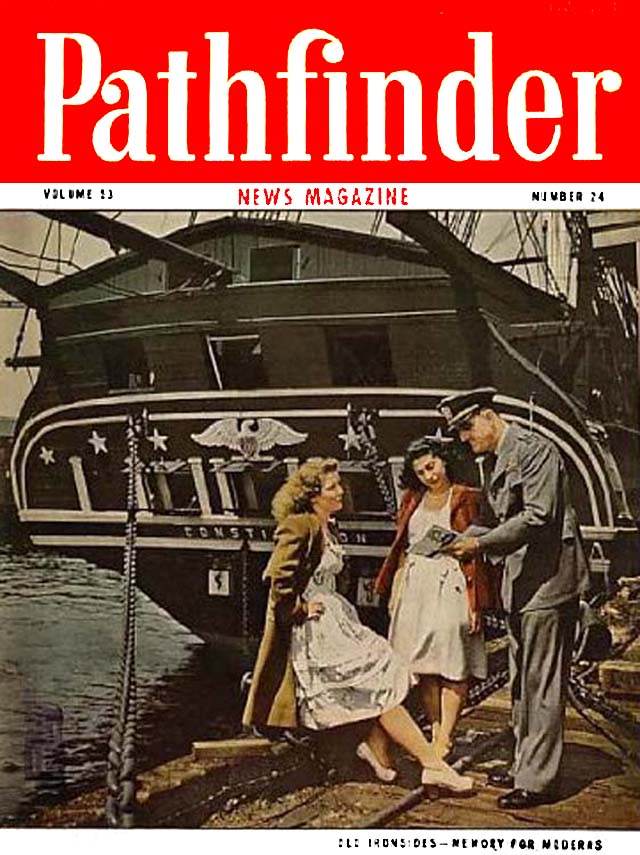
These two articles were written by an Army Air Corps colonel shortly after the war recalling his unexpected brush with Lindbergh when he was serving in New Guinea. The United Aircraft Corporation had hired "the Lone Eagle" to serve as a technical observer in the Pacific, where he could study the combat performance of the P-38 fighters. The articles served to expose to the American people that Lindbergh had performed a variety of patriotic tasks far beyond his corporate job description:
"My God! He shouldn't go on a combat mission, when did he fly the Atlantic? Must have been in 1927 and he was about twenty-five then. That would make him at least forty-two years old, and that's too old for this kind of stuff."
- from Amazon:
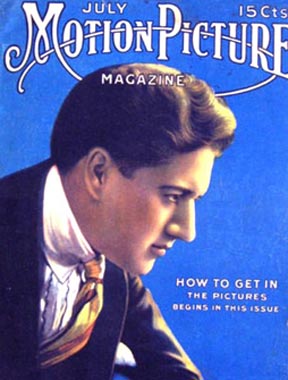
  Originally created for the editors of the now defunct Aero Digest, the diagram depicted the interior of The Spirit of St. Louis (also referred to to as "The Ryan Transatlantic Monoplane") shows the layout of the famous craft, and the placement of the water supply, air vent, earth inductor compass and more. The Spirit of St. Louis weighed 5,000 pounds, could travel at the speed of 135 miles per hour and had a wing span measuring 46 feet. This article originally appeared in a well-known Hollywood fan magazine and was written by Lindbergh's pal and business partner, Major Thomas G. Lanphier (1890 - 1972). It concerns "the story of how one of the most ambitious movies of all times, starring America's hero, Charles Lindbergh, was not made". The story goes that in 1927, "the Lone Eagle" signed a $1,000,000.00 Hollywood contract to make a movie about the history of aviation and would not be persuaded to do otherwise by any of his flying-peers, who all tended to believe that no good could come out of it. "Slim" finally saw the light and was released from his contractual obligations by non other than William Randolph Hearst (1863 – 1951): "Mr. Hearst asked no questions... He brought out the contract and tore it up in Lindbergh's presence."
"You are as much a hero to me, as to anyone else in the world..."
Click here to read more articles from Photoplay Magazine.
|
MORE ARTICLES >>> PAGE: * 1 * 2 * |
|